
Why Choosing a Local Audiology Practice Can Make All the Difference in Your Hearing Journey
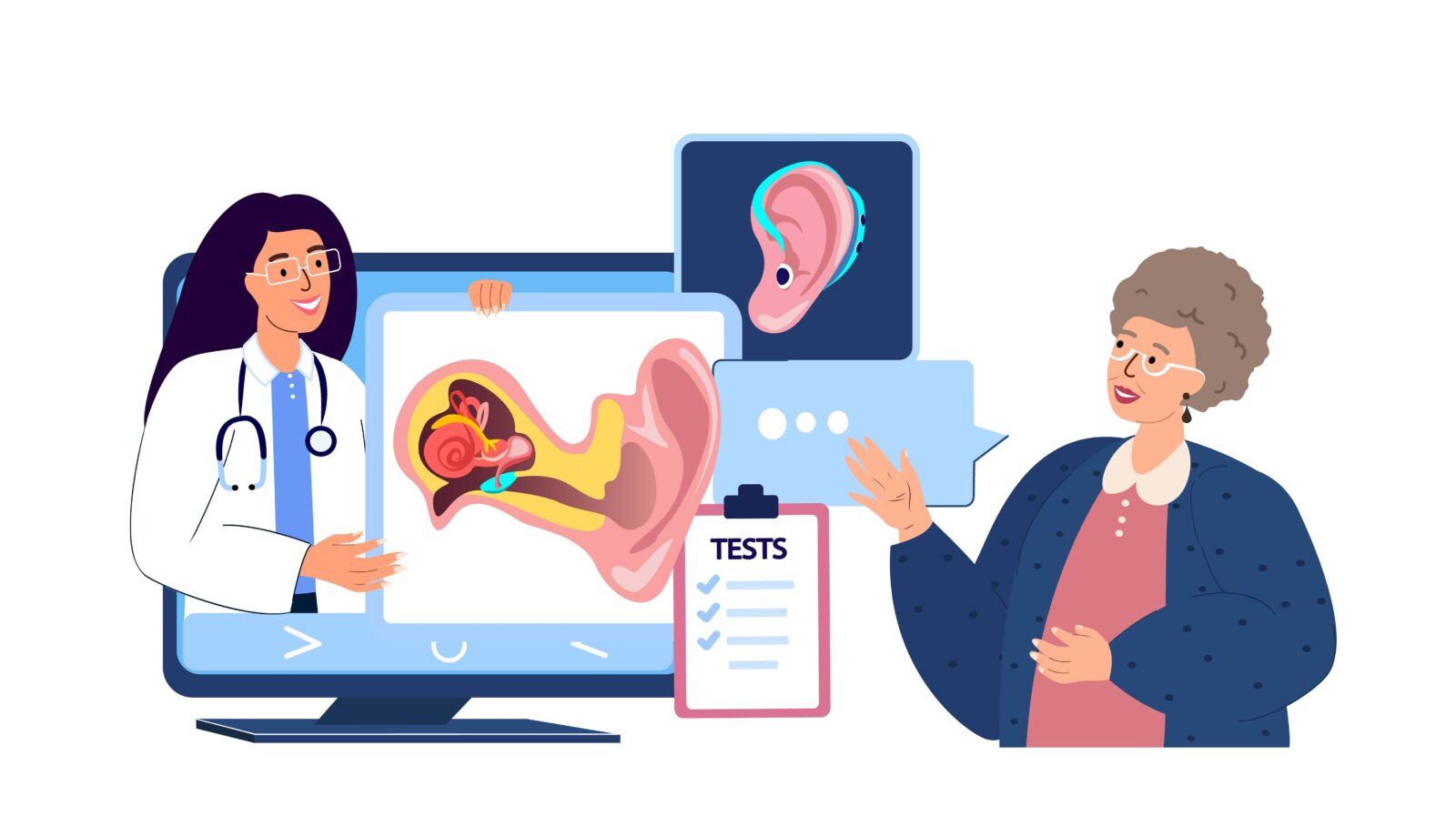
When you’re ready to take the next step toward better hearing, you’ll find no shortage of options. From large retail chains to independent audiology clinics, each setting offers its own approach to hearing care.
But for many people, the most meaningful difference isn’t about the size of the building or the brand name on the sign — it’s about the relationship, the education, and the long-term Audiology support they receive.
As a locally owned private practice, The Northern Hearing Health Centre have found that hearing care often works best when it’s personal. We’re not just providers, we’re your neighbors, your fellow community members, and your partners in better hearing.
Our clinical team is made up of registered audiologists, holding either a Master’s degree in Audiology or a Doctor of Audiology (Au.D.). That level of training means we’re equipped to do far more than fit hearing aids.
We can:
- Perform comprehensive diagnostic evaluations
- Identify medical concerns that require referral
- Provide tinnitus assessment and management
- Support complex or fluctuating hearing conditions
- Offer evidence-based counselling and rehabilitation
- Fit and verify hearing aids using best-practice protocols
- Provide hearing health care for the whole family
Retail hearing centers typically employ audiologists and hearing instrument practitioners, and many do excellent work. In many smaller private practices, audiologists have more flexibility to provide additional time and continuity of care that goes deeper than the device. As an independent practice, we can recommend hearing solutions from any manufacturer, rather than being limited to one or two brands.
Education Comes First — Because Better Hearing Starts With Understanding
Hearing aids are remarkable pieces of technology, but they’re only as effective as the knowledge and confidence of the person using them. That’s why education is at the heart of our approach.
We take the time to help you understand:
- What your hearing test results mean
- How hearing loss affects communication
- What to expect during the adjustment period
- How to use and care for your hearing aids
- How family members can support communication
Research consistently shows that patients who receive thorough education and counselling have better outcomes, higher satisfaction, and greater long-term success with hearing aids. We see this every day — when people understand their hearing, they feel empowered, not overwhelmed.
Follow-Up Care: The Secret Ingredient to Long-Term Success
Hearing aids aren’t a one-time purchase. They’re part of an ongoing rehabilitation process. That’s why follow-up care is not optional — it’s essential.
In our private practice, follow-up care includes:
- Real-ear verification to ensure accurate programming
- Fine-tuning as your listening needs evolve
- Regular cleanings and maintenance
- Troubleshooting for connectivity and daily use
- Counseling to help you adapt to new sounds
- Regular hearing evaluations to monitor changes
Studies show that hearing aid users who receive structured follow-up care experience greater satisfaction, and more consistent use. In a smaller practice, you see the same audiologist who knows your history, your preferences, and your communication goals. That continuity leads to more precise adjustments — and better results.
Care From People Who Live Here Too
As a locally owned practice, our focus is on long-term relationships and individualized care. We want our neighbors to hear better.
That means:
- We take the time you need
- We recommend technology based on your lifestyle
- We invest in long-term relationships, not transactions
- We support local organizations, events, and families
- We’re here when you need us — today, next month, and years from now
When you partner with a local audiology clinic, you’re choosing care that stays in your community and grows with you.
The Bottom Line
Retail hearing centers and private audiology practices both play important roles in hearing healthcare. The best choice ultimately depends on your needs, preferences, and the type of care you’re looking for.
If you’re looking for:
- A long-term partner in your hearing journey
- Education that empowers you
- Follow-up care that supports lasting success
- A clinician who knows you — not just your chart
- A team that’s part of your community
…then a locally owned audiology practice may be a good fit for you.
Better hearing isn’t just about devices. It’s about connection — and connection can make a meaningful difference.
References
- Faucette, S. (2024). ACHIEVE in practice: A patient-centered approach to auditory rehabilitation (AR). Audiology Blog.
- Wu, Y.-H., Stangl, E., Branscome, K., et al. (2025). Hearing Aid Service Models, Technology, and Patient Outcomes: A Randomized Clinical Trial. JAMA Otolaryngology–Head & Neck Surgery.
- Tecca, J. E. (2018). Are Post-Fitting Follow-up Visits Not Hearing Aid Best Practices? The Hearing Review.
- Thyer, N. J., Watson, J., Jackson, C., et al. (2018). Active Communication Education (ACE) Programme Study Protocol. BMJ Open.
Merci d'avoir voté pour nous en tant que n°1 Clinique d'audiologie !

Merci d'avoir voté pour nous en tant que n°1 Clinique d'audiologie !